
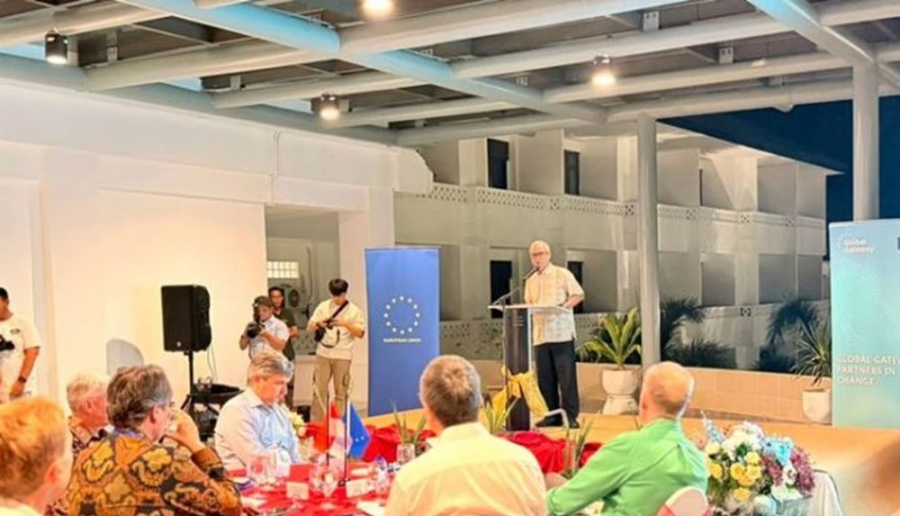
The Indonesian environmental and marine management framework has demonstrated a highly resilient performance through mid-2026, anchored by a significant expansion of marine protection areas in North Sulawesi and North Maluku. Supported by the Ministry of Forestry (Kemenhut), the European Union (EU), KfW German Development Bank, and the Wildlife Conservation Society (WCS), this collaborative effort has successfully protected over 781 thousand hectares across nine marine conservation zones. The initiative encompasses 14,000 hectares of coral reefs, 6,000 hectares of mangroves, and 5,000 hectares of seagrass beds.
This strong ecological output bolsters Indonesia's position as a major powerhouse for marine biodiversity and sustainable coastal resource management in the Indo-Pacific region. Environmental social governance (ESG) analysts, sustainable supply chain coordinators, and global conservation finance officers should monitor these capacity indicators closely. Indonesia’s ongoing exploration of innovative funding mechanisms such as biodiversity credits and a National Parks Bond alongside structured community empowerment across 29 local monitoring groups (Pokmaswas) are re-routing sustainable blue economy metrics and setting new benchmarks across international conservation channels.
Source:
https://forestinsights.id/indonesia-uni-eropa-perluas-kolaborasi-konservasi-laut-781-ribu-hektare-kawasan-perairan-telah-terlindungi/


