
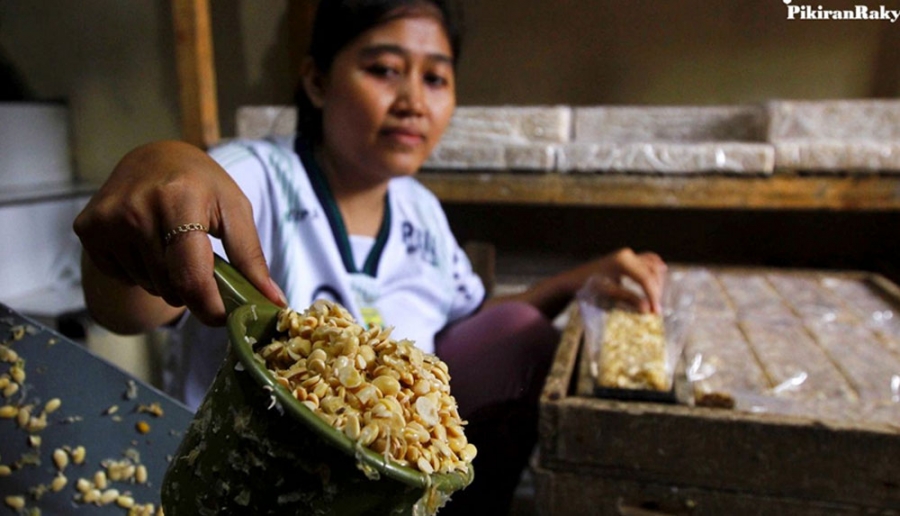
The National Research and Innovation Agency (BRIN) has highlighted the strategic potential of utilizing indigenous, locally grown Indonesian beans (kacang nusantara) as alternative raw materials for tempeh production. This research-driven food security initiative aims to systematically reduce Indonesia's heavy structural reliance on imported soybeans by leveraging the nation's diverse native legumes, such as velvet beans (benguk), winged beans (kecipir), and sword beans (koro). By integrating traditional fermentation techniques with these local agricultural assets, the program offers a sustainable path forward for national food self-sufficiency and community health.
This structural shift in food innovation commands attention because it directly addresses a long-standing vulnerability in Indonesia's domestic food supply chain, where the majority of soybean demand is met through foreign imports. Embracing non-soybean, climate-resilient local legumes not only safeguards small-scale food producers from global market shocks and currency fluctuations but also revitalizes regional agricultural economies. International agribusiness analysts, food technologists, and sustainable development investors should monitor this transition closely, as the scaling of indigenous bean cultivation presents a highly viable, eco-friendly blueprint for enhancing food sovereignty across tropical developing markets.
Source:
https://www.pikiran-rakyat.com/lestari/amp/pr-0110289294/tempe-dari-kacang-nusantara-harapan-baru-ketahanan-pangan


