
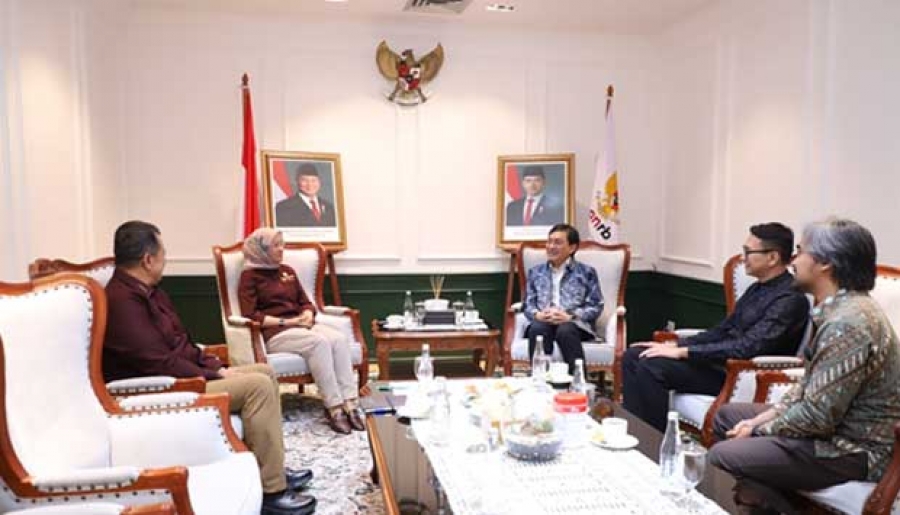
Minister of State Apparatus Utilization and Bureaucratic Reform (PANRB), Rini Widyantini, has expressed her support for the creative economy sector, emphasizing the need for bureaucratic backing to foster innovative ideas. She highlighted the importance of strengthening institutional frameworks and enhancing the competency of human resources within government institutions to drive the sector forward. This support was conveyed during a meeting with the President's Special Staff for Creative Economy, Yovie Widianto, at the PANRB Ministry office in Jakarta on Wednesday (Dec 4, 2024). The discussion focused on Yovie Widianto's exceptional ideas for developing the creative economy, arts, and culture sectors in Indonesia.
Minister Rini reiterated that her ministry is fully committed to supporting the creative economy within the framework of PANRB's tasks and functions. "We will coordinate with related ministries, such as the Ministry of Creative Economy, Culture, and Finance, among others," she said after the meeting. According to information from the Ministry of Tourism and Creative Economy (Kemenparekraf), four key creative economy trends are rapidly growing in 2024: audiovisual, mobile gaming, music, and collaboration. The COVID-19 pandemic has accelerated technological advancements, pushing creative economy players to adapt and compete in the global market. By optimizing existing resources and keeping pace with these trends, the creative economy is expected to create 4.4 million jobs by 2024, helping make the sector more productive, inclusive, and sustainable. One prominent trend, audiovisual content, has gained traction, particularly with young people creating diverse video content and the rising popularity of local films and series through over-the-top (OTT) platforms. A survey by Jakpat revealed that Indonesian films and series ranked second in popularity among Indonesian viewers, with 69% of respondents watching them, just behind South Korean series (72%).


